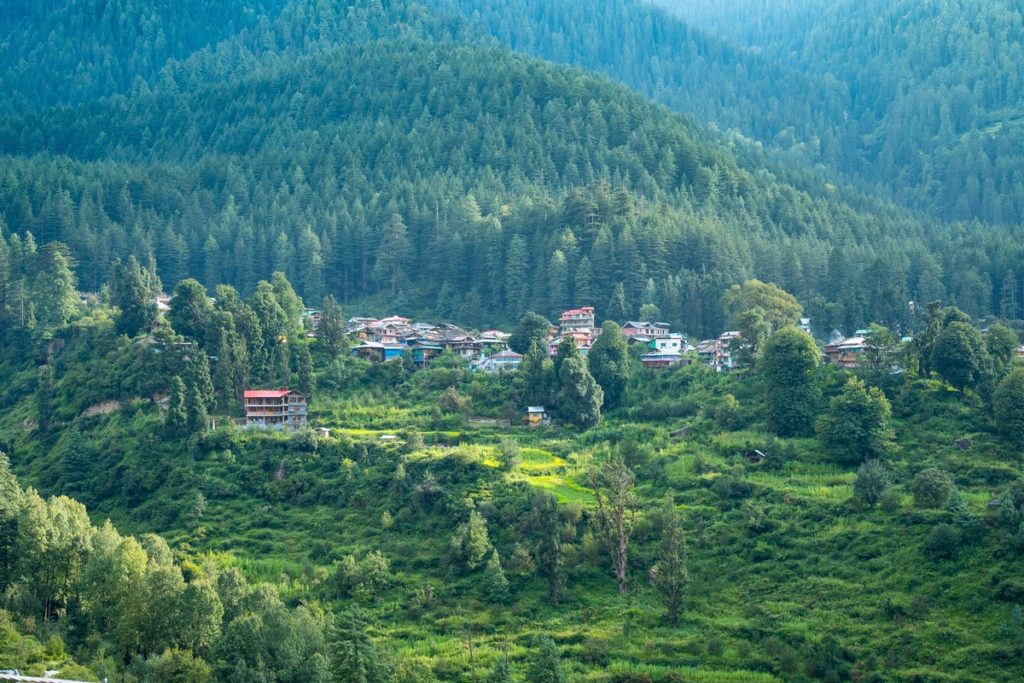
The view of lush green, crisp air, and the soothing silence is a familiar yearning for every Delhiite. The end of the week promises a chance to fulfil it with drivable road trips and weekend getaways. As most turn towards Manali, a small detour takes you into the offbeat roads of Himachal’s Tirthan Valley. Tucked among its thick pine forests within the Great Himalayan National Park, lies the cosy little hamlet of Jibhi. Far from its touristy neighbourhoods, Jibhi sits untouched in its philosophy of slow living with the smell of cedar trees and the blueness of hidden lagoons. And if you are lucky enough to view, a white winter is a cherry on top of this picture-perfect place. Here’s everything you need to know before visiting.
Things to do in Jibhi
The cheap luxuries at Jibhi lie in swinging in a hammock, watching pine trees stretch into vast skies, and staying in traditional treehouses that look like art relics. If you are adventurous enough, then discover Jibhi’s ‘Mini Thailand‘ and trek its many peaks. Whether you are seeking a staycation or morning thrills, there is something for everyone.
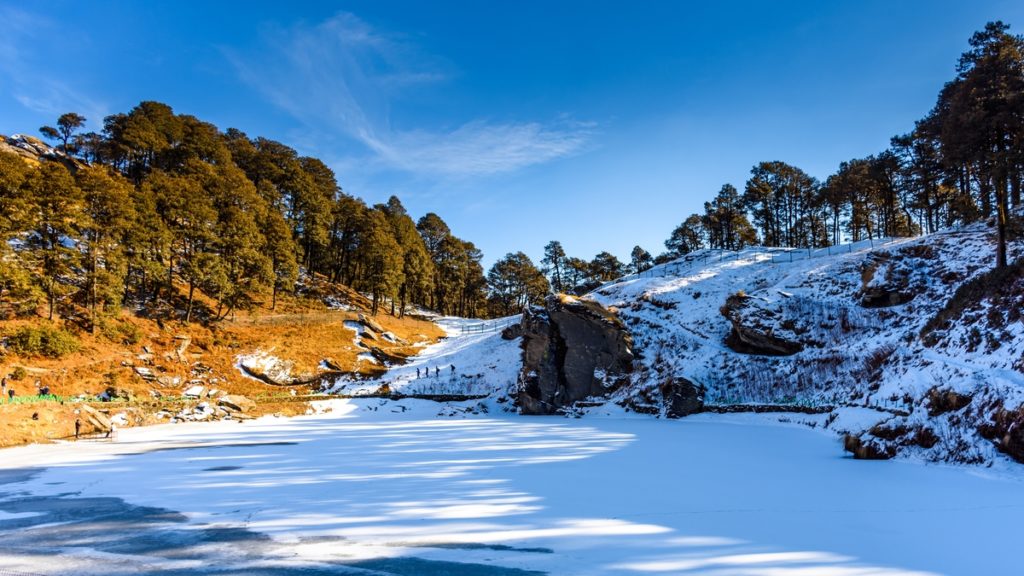
Life here revolves around the rhythm of the Tirthan River; you can choose to cosy up in the many treehouses and homestays, giving a humbling start to the day. You can simply sit by, read a book, or wander in the valley. After a lunch with a view, a short walk from the main road, takes you to a secluded spot off the main road to Jibhi Waterfalls. With the clear water roaring down the moss-covered mountain, it is a sight for sore eyes. If you are an adventurer, spend the day trekking to Jalori Pass for a panoramic view of the snow-capped Himalayas. The left road of the diverging to Jalori Pass takes you to the pristine Serolsar Lake after a 2-hour hike through the pine forest. The clear emerald waters reflect the incredible views of the surrounding cliff.
As you would have guessed, there is a short hike to reach every beautiful place in Jibhi. The other of the diverged roads to Jalori Pass leads to Raghupur Fort. A road lined with oak and rhododendron forests leads you to the mountain peak where the fort once existed. There is even a small stone temple and the Raghupur Vanvaas Cafe for a kadak chai and the tastiest maggi.
Mini Thailand
However, the crown jewel of the itinerary is the spellbinding “Mini Thailand“. A brisk 2 km walk from the main Jibhi market towards the riverbed takes you through towering cedar forests. Hidden behind the two arching, massive moss-covered boulders for gates, flows a clear stream into a surreally turquoise lagoon. The scenery feels reminiscent of islands in Southeast Asia. In winter, the sight is even more surreal with snow falling from the sky onto pine needles and the crystal clear waters of the lagoon.
A Taste of Jibhi
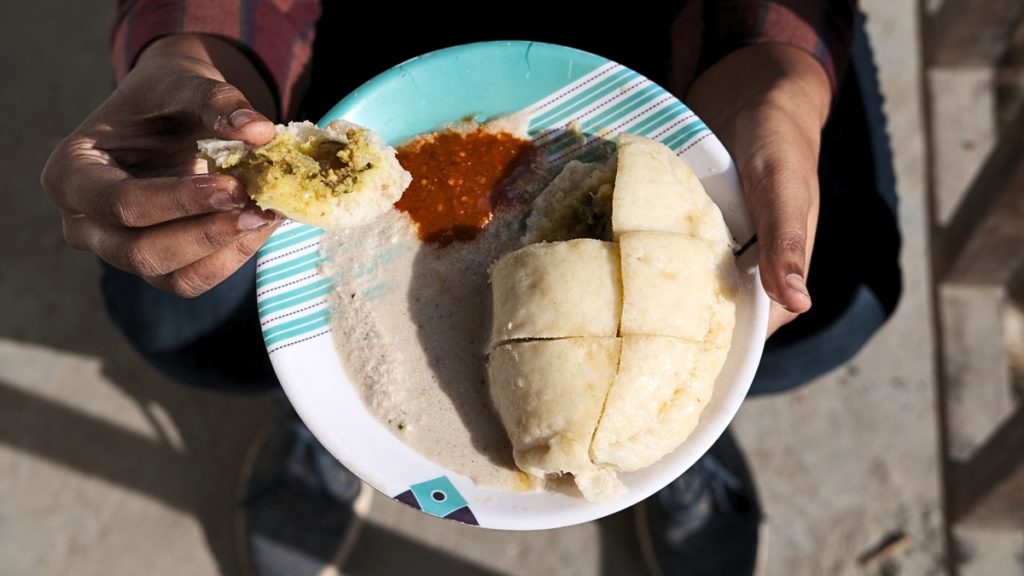
Jibhi’s food reflects the humble living and soulful philosophy. Warm and hospitable Tibetan restaurants lining the main market serve comfort foods like juicy momo and spicy Thukpa. If you want the best of both worlds, we recommend trying wholesome Mokthuk or dumpling soup. The Pink Panther or Tenzin Cafe are perfect places to enjoy Tibetan dishes with a picturesque view. However, if you are hunting authentic Himachali cuisine, you are in for local tastes and generational recipes. For bread lovers, Jibhi has its very own Siddu, a steamed wheat bun with stuffed walnuts and poppy seeds served with ghee, and it tastes serendipitous with a cup of hot chai. Another Himalayan favourite is a freshly caught Himalayan trout. Whether it is grilled or fried, a taste of it with green chutney, sitting along the Tirthan River, is an experience in itself.
Eco-friendly Retreat
The true experience of Jibhi lies in immersing within its lush nature and sprawling mountains. Jibhi considers itself the Treehouse Capital, with wooden cabins perched even at 30 feet high amongst cedar trees. These tree houses are warm, cosy, dreamy, and affordable too. If you want to stay closer to the ground, there are designated camping and even glamping sites all across trekking trails. Moreover, many local operators provide eco-friendly camping gear. Waking up 10,000 feet high in the mountains while the first ray of the sun hits you theough oats branches is a surreal experience.
Moreover, to get a rare look into the local communities. You can choose one of many adorable homestays built in Kath-Kuni style, an earthquake-proof Himalayan architecture style, interlocking stone and wood. Share a meal with your hosts, play games late into the night in front of a cosy bonfire, and listen to local lore by the Jibhi’s souls. Here, the air is such that it makes room for itself in your heart and soul, lingering long after you have returned to Delhi.
How to get there
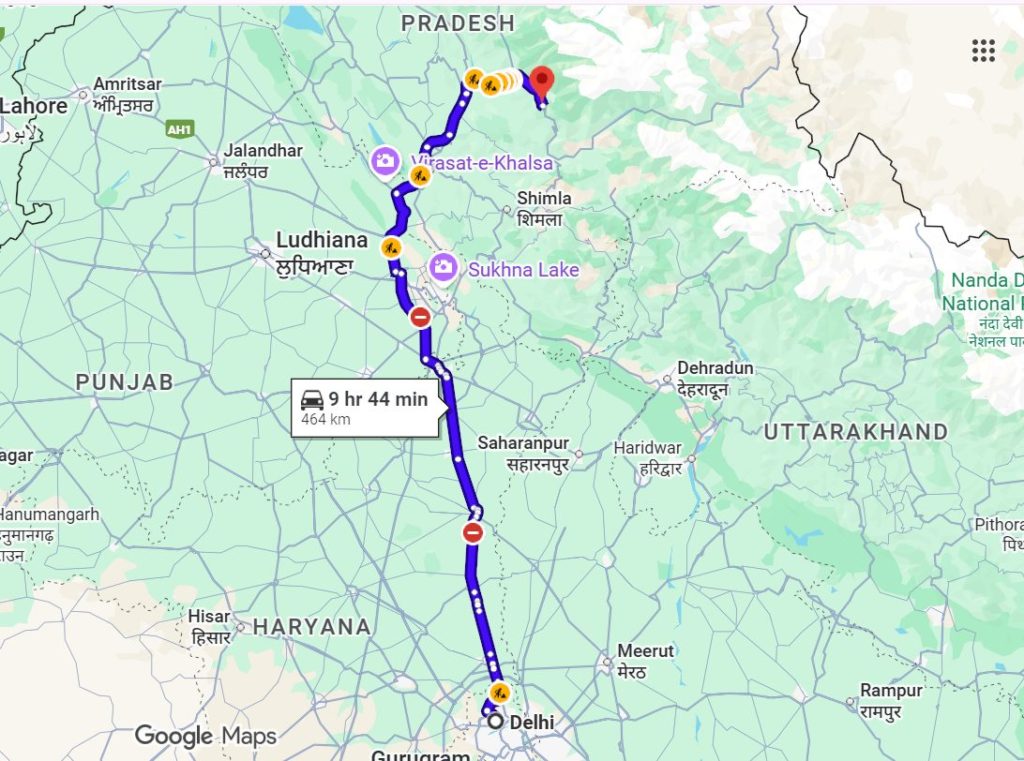
It is a 500KM journey from Delhi, and the scenic route is a rite of passage. If you are taking an overnight bus towards Manali, hop off at Aut. From here, you can take a local taxi through the tunnel and the winding Tirthan River into Jibji. If you are behind the wheel, the road takes you through Mandi with a 10-11 drive from Delhi. The lightly scented cool air is worth every kilometre.
Best Time To Visit
Jibhi changes colours with every season. If you want a shimmer of lush green and a dip in the cold pools, escaping Delhi’s heat from March to June is the best. Mini Thailand looks surreal and bright during this season. However, if you are seeking snow-coated forests and crystal clear water, January to February is truly cathartic. We recommend avoiding the monsoons from July to September; however, the months of October and November are quintessential for picking crisp apples.