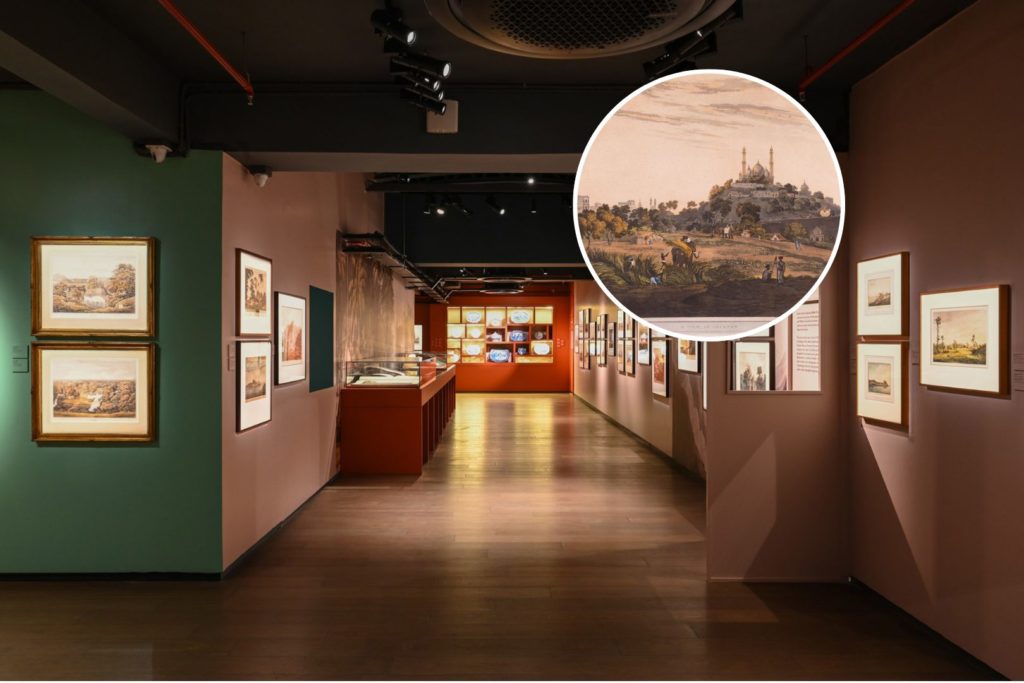

A search on google for images of India would land you photos of overcrowded streets, traffic lights, and historical ruins against a backdrop of high rise buildings. While modern India slowly turns into a cyber capital, it makes you wonder what the country was before urbanisation took over. Back in the days, India was one of the richest British colonies. Moreover, before the era of western aesthetics, India was a muse for foreign travellers who saw her through a poetic lens. Thus, bringing some rare picturesque of India in the 19th century, DAG (formerly, Delhi Art Gallery) is hosting a breathtaking art exhibitition in Delhi, The Indian Picturesque. From March 28 to May 2 2026, witness the India forgotten, for free.
The Indian Picturesque at DAG
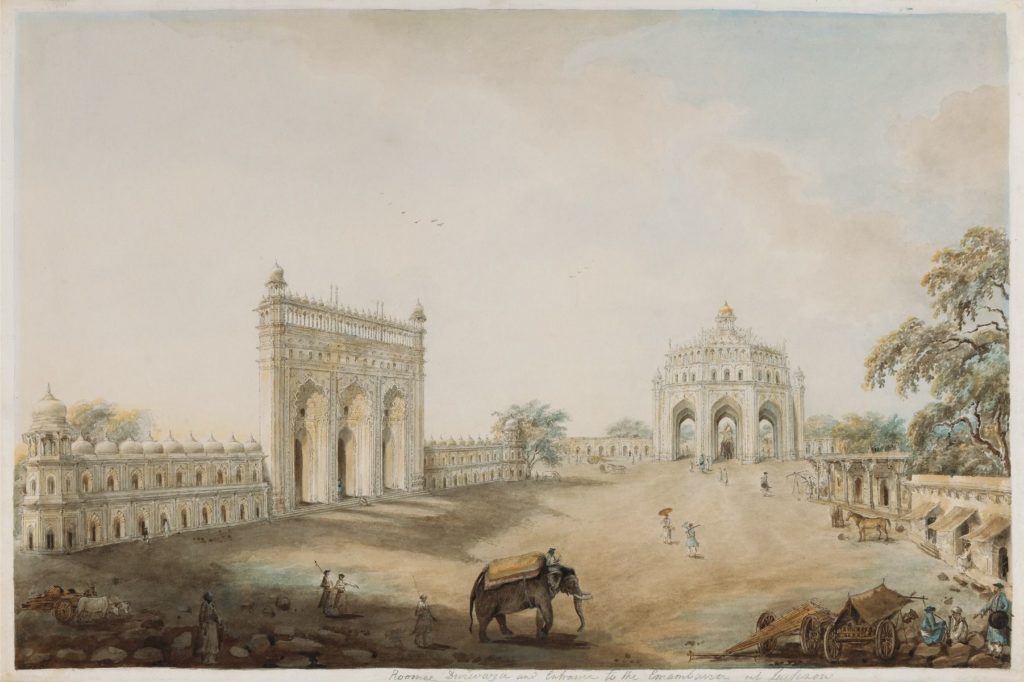
By SitaRam (Roomee Durwaza and Entrance to the Emambarra at Lucknow) 1815-25
Unlike the contemporary connotations of the word “picturesque”, the intended meaning was developed by aesthetic theoriests in the 1790s. The vision was of rugged architecture that coexisting with the natural landscape. The Indian Picturesque art exhibit features rare works from the early and late 1800s.
The curation is a landmark first to display British and Indian landscape artists of the era together. Moreover, the works by British officers and travelers stand alongside the incredible Indian artists, and anonymous Company school artists from Delhi, Agra, and Murshidabad. It even showcases the work of Willian Hodges, one of the pioneering artist who is accredited with bringing the picturesque art style to India. The “view of the Fort of Mongheer upon the banks of river Ganges” is one of the most famous Hodges’s painting on display.
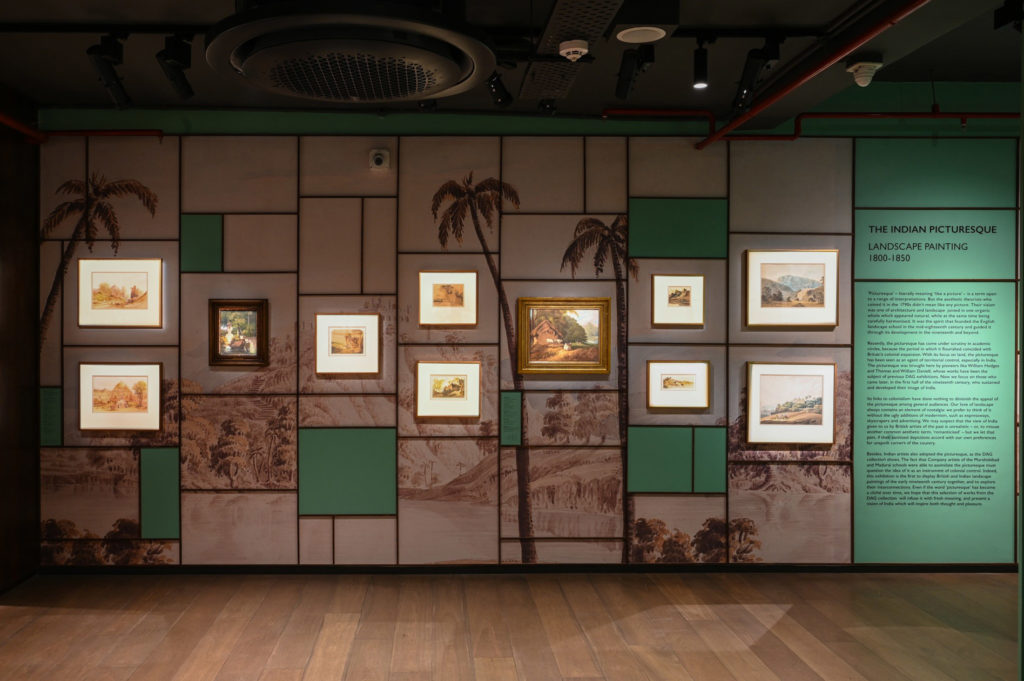
The British artists were not just painters. They were soldiers, civil servants and professional travellers, using their strokes to catalogue the empire. You will find paintings from Bihar by Charles D’Olyly, well know for bringing the lithograph to India. And, of the Himalayas and Calcutta by James Baillie Fraser, a renowned traveller. Whereas, the Indian artists fused their traditional mastery details with Western perspective. The most legendary amongst them is Sita Ram who was commissioned by the Governor-General for his enchantingly soft watercolour strokes. Additionally, artists of Murshidabad and Thajavur shifted away from the the flat vibrancy. They created landscapes that looked realistic while retaining their Indian soul.
The exhibition offers a visual history of India that was natural, serene, artistic, and deeply poetic. This is an unmissable sanctuary of India’s history.
Key Information
🗓️March 28 – May 2, 2026
🕒Monday – Saturday, 11 AM to 7 PM
📍22A, Windsor Place, Janpath, New Delhi
🎟️Entry is free